

If you’ve ever admired the bold, banana-like leaves and fiery blooms of a plant that seems to belong on a tropical island, you’ve likely spotted a canna lily. These stunning perennials are not true lilies at all, but members of the Cannaceae family, and they bring months of high-impact colour to gardens, patios, and even pond edges. Whether you’re a complete beginner or a seasoned green thumb, learning how to grow and care for canna lily is surprisingly straightforward.
In this guide, I’ll walk you through every stage – from choosing the right spot and planting rhizomes to overwintering them in cold climates. By the end, you’ll be ready to fill your outdoor space with lush, exotic foliage and a riot of reds, oranges, pinks, and yellows.
What Makes Canna Lily Special?
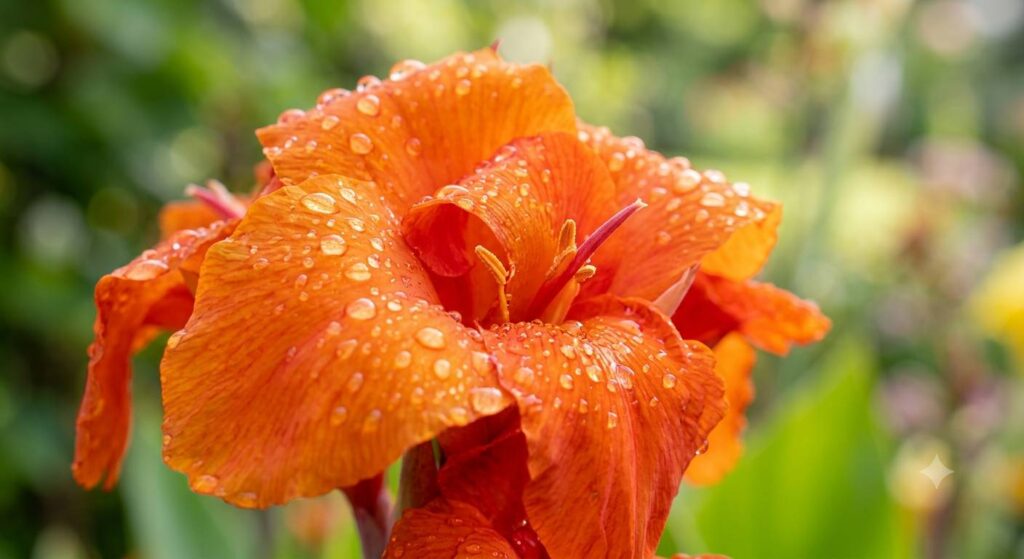
Canna lilies offer a dramatic, almost architectural presence. Their large, paddle-shaped leaves come in shades of green, bronze, or even variegated stripes, while the flowers appear on tall stalks from mid-summer until the first frost. Unlike many high-maintenance ornamentals, cannas are forgiving plants that thrive on warmth, moisture, and regular feeding. They attract hummingbirds and butterflies, work equally well in borders and containers, and can even be used to soften the margins of a water feature.
Common varieties range from compact dwarfs around 60 cm (2 ft) to towering giants exceeding 2.4 m (8 ft), so there’s a size for almost every garden design.
Where to Plant Canna Lilies

Sunlight
Cannas are sun-worshippers. For the most prolific flowering, plant them where they will receive at least 6 to 8 hours of direct sunlight each day. In regions with scorching afternoon heat, a little light shade during the hottest part of the day can prevent leaf scorch, but deep shade will result in leggy growth and few blooms.
Soil
Rich, moisture-retentive soil is the secret to lush canna plants. They love soil that is:
- High in organic matter (compost, well-rotted manure)
- Slightly acidic to neutral (pH 6.0–7.0)
- Well-draining yet consistently damp
Heavy clay can be improved with plenty of compost, while sandy soils benefit from added organic material to hold moisture. Avoid waterlogged conditions that cause rhizomes to rot.
When and How to Plant Canna Lily Rhizomes
Timing is everything. Plant canna rhizomes in spring, after all danger of frost has passed and the soil has warmed to at least 16°C (60°F). In cooler climates, you can start them indoors 4–6 weeks earlier in pots to get a head start.
Step-by-step planting:
- Prepare the bed by loosening the soil to a depth of 25–30 cm (10–12 inches) and mixing in a generous amount of compost.
- Dig holes about 10–15 cm (4–6 inches) deep.
- Place each rhizome horizontally with the growing points (eyes) facing upward.
- Space rhizomes 45–60 cm (18–24 inches) apart to allow for their spreading habit.
- Cover with soil, firm gently, and water thoroughly.
Shoots typically emerge within 2 to 4 weeks. If you’re planting near a pond or stream, position the crown slightly above the water line to avoid constant submersion.
How to Care for Canna Lilies Throughout the Season
Watering
Canna lilies are thirsty plants. They perform best when the soil is kept evenly moist, never bone dry. Water deeply once or twice a week, and increase frequency during extended heatwaves or if your plants are in containers. A drip irrigation system or soaker hose works beautifully, delivering moisture right to the roots without wetting the foliage.
Fertilizing
These heavy feeders respond dramatically to nutrition. Use a balanced, slow-release fertilizer (e.g., 10-10-10) at planting time and again every 6–8 weeks through the growing season. You can also supplement with a liquid bloom booster every 2–3 weeks during peak flowering. Avoid nitrogen-heavy feeds that push leaf growth at the expense of flowers. Top-dressing with compost or well-rotted manure in early summer provides a gentle, natural nutrient boost.
Mulching
Apply a 5–8 cm (2–3 inch) layer of organic mulch – such as shredded bark, leaf mould, or straw – around the base of plants. Mulch helps:
- Retain soil moisture
- Suppress weeds
- Keep root zones cool
- Gradually improve soil texture
Deadheading and Pruning
To keep the show going, remove faded flowers regularly by snipping the entire flower stalk just above a leaf node. This prevents seed formation and encourages the plant to produce more blooms. Trim away any yellowing or damaged leaves to maintain a tidy appearance and improve air circulation.
Overwintering Canna Lilies
How you handle winter depends on your climate.
- USDA Zones 8–11 (warm regions): Cannas can stay in the ground year-round. After the first light frost blackens the foliage, cut the stems back to 5–8 cm (2–3 inches) above the soil. Apply a thick layer of mulch for insulation. In zones 8, a bit of extra protection is wise during unusually cold snaps.
- Zones 7 and below (cold winters): Treat cannas like tender bulbs. Before the first hard frost, carefully dig up the rhizomes, shake off excess soil, and let them dry in a well-ventilated, frost-free spot for a few days. Trim back any remaining foliage. Pack the rhizomes in boxes or paper bags filled with barely damp peat moss, sawdust, or vermiculite. Store them in a cool (4–10°C / 40–50°F), dark, dry place such as a basement or garage. Check periodically for rot or shrivelling, discarding any unhealthy pieces.
Growing Canna Lilies in Pots
Cannas make spectacular container specimens. Choose a large pot – at least 40–50 cm (16–20 inches) in diameter – with ample drainage holes. Fill with a high-quality, moisture-retentive potting mix, adding some slow-release fertiliser at planting time. Potted cannas dry out faster than those in the ground, so check the soil moisture daily during hot weather. A saucer filled with pebbles and water can help boost humidity without waterlogging the roots. In autumn, you can either move the entire pot into a frost-free location or lift and store the rhizomes as described above.
Common Pests and Problems
Canna lilies are generally robust, but a few nuisances can appear.
- Slugs and snails may chew holes in new leaves. Handpick them at night or use environmentally friendly iron phosphate bait.
- Aphids and spider mites occasionally infest the undersides of leaves. A strong jet of water or insecticidal soap spray usually keeps them in check.
- Japanese beetles can skeletonise foliage. Knock them into soapy water in the early morning.
- Canna leaf roller (a small caterpillar) ties leaves together with silk. Remove and destroy affected leaves, and apply Bacillus thuringiensis (Bt) if necessary.
Disease-wise, root rot from poorly drained soil is the biggest threat. Yellowing leaves may signal overwatering or a nutrient imbalance. Rust and leaf spot are rare but can be minimised by watering at the base and spacing plants for good air circulation.
Companion Planting Ideas
The bold texture of canna lilies pairs wonderfully with:
- Elephant ears (Colocasia) – for a layered tropical look
- Coleus – vivid foliage that complements canna flowers
- Ornamental grasses – adds movement and contrast
- Caladium – heart-shaped leaves in pinks and whites
- Salvia – spiky blooms that attract even more pollinators
Mix heights and leaf colours to create a lush, jungle-like border.
Quick-Reference Care Card
| Aspect | Requirement |
|---|---|
| Sun | Full sun (6–8 hrs), light afternoon shade in extreme heat |
| Soil | Rich, moist, well-draining, pH 6.0–7.0 |
| Water | Keep consistently moist, never dry |
| Fertiliser | Balanced slow-release every 6–8 weeks; compost top-up |
| Hardiness | Tender perennial, zones 8–11; lift rhizomes in colder zones |
| Spacing | 45–60 cm (18–24 inches) |
| Bloom time | Mid-summer to first frost |
Frequently Asked Questions
Do canna lilies come back every year?
In frost-free areas, yes. In colder regions, you must dig up and store the rhizomes indoors over winter and replant in spring.
How often should I water canna lilies?
Water deeply once or twice a week to keep the soil consistently damp. Potted plants may need daily watering during heatwaves.
Can canna lilies grow in partial shade?
They will survive, but expect fewer flowers and taller, weaker stems. Full sun is always best.
Are canna lilies safe for pets?
Cannas are generally considered non-toxic to cats, dogs, and humans, making them a safe choice for family gardens.
Why are my canna leaves turning yellow?
Yellow leaves often point to overwatering, poor drainage, or nutrient deficiency. Check the soil moisture and consider a balanced feed.
Final Thoughts
Mastering how to grow and care for canna lily unlocks a season-long spectacle of colour and texture that few other plants can match. Whether you’re mass-planting along a fence, accenting a water garden, or filling a stately urn on the terrace, cannas deliver reliable, easy-care drama. Give them sunshine, rich soil, and plenty of water, and they’ll reward you with a tropical paradise right outside your door.
Leave a Reply