
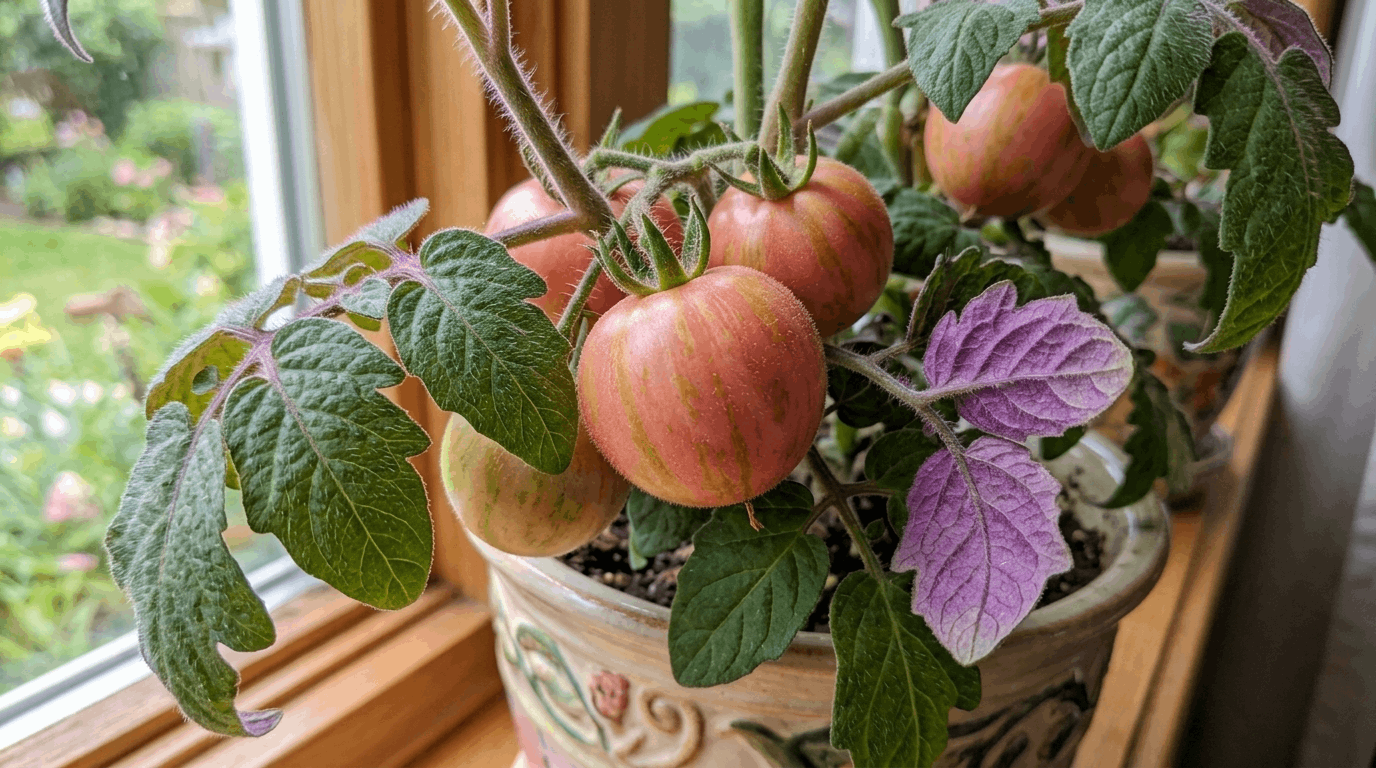
Grocery store tomatoes are fine, but let’s be honest—they all look and taste pretty much the same. If you’re ready to turn your garden into a conversation piece, say hello to the Pink Furry Boar tomato. This stunning heirloom-style variety looks like a tiny, striped peach and feels like velvet in your hand. Bred by one of the most creative minds in modern tomato breeding, it combines show-stopping beauty with genuinely delicious flavor and impressive yields.
Whether you’re a seasoned veggie grower or planting your first tomato patch, this guide walks you through everything you need to grow, harvest, and enjoy the Pink Furry Boar.
What Is the Pink Furry Boar Tomato?
The Pink Furry Boar (Solanum lycopersicum) is a modern artisanal creation from Brad Gates of Wild Boar Farms in California. Gates has built a cult following by developing tomatoes that push the boundaries of color, texture, and taste—and this one might just be his most whimsical triumph.
Key features gardeners fall in love with:
- Peach-fuzz skin: Unlike any glossy supermarket tomato, the skin is covered in a delicate, velvety fuzz you can feel.
- Jaw-dropping stripes: Round, 3–5 ounce fruits ripen to a dusty pinkish-red with bright, jagged golden-orange stripes.
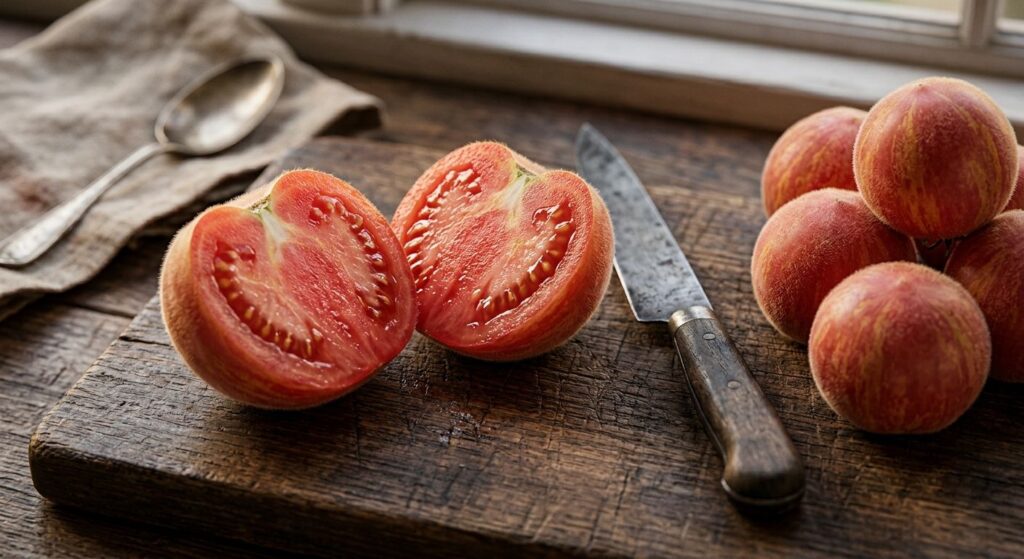
- Rich, sweet flavor: Slice one open and you’ll find juicy, bright-red flesh with a perfectly balanced sweetness and just enough acidity to keep things interesting.
- Heavy yields all season: As an indeterminate (vining) variety, this plant keeps climbing, flowering, and fruiting from midsummer straight through to the first frost.
Pink Furry Boar at a Glance
| Feature | Details |
|---|---|
| Botanical Name | Solanum lycopersicum ‘Pink Furry Boar’ |
| Breeder / Origin | Brad Gates, Wild Boar Farms (California, USA) |
| Plant Type | Indeterminate (vining) – grown as an annual |
| Fruit Size | 3–5 ounces (80–150 grams) |
| Days to Maturity | 75–80 days (mid-to-late season) |
| Sun Exposure | Full sun (6–8+ hours daily) |
| Flavor Profile | Sweet, rich, juicy, and well-balanced |
| Growth Habit | Vigorous vines reaching 5–6+ feet |
The Story Behind the Name
The name says it all. “Pink” captures the dusty rose undertone of the ripe fruit. “Furry” comes from the fine, soft hairs covering the skin—almost exactly like a peach. And “Boar” is a playful nod to Wild Boar Farms, the breeder known for creating tomatoes that look like they came from a fantasy garden but grow with the rugged reliability of a wild boar.
The result is a tomato that feels as good in your hand as it tastes on your plate.
How to Grow Pink Furry Boar Tomatoes
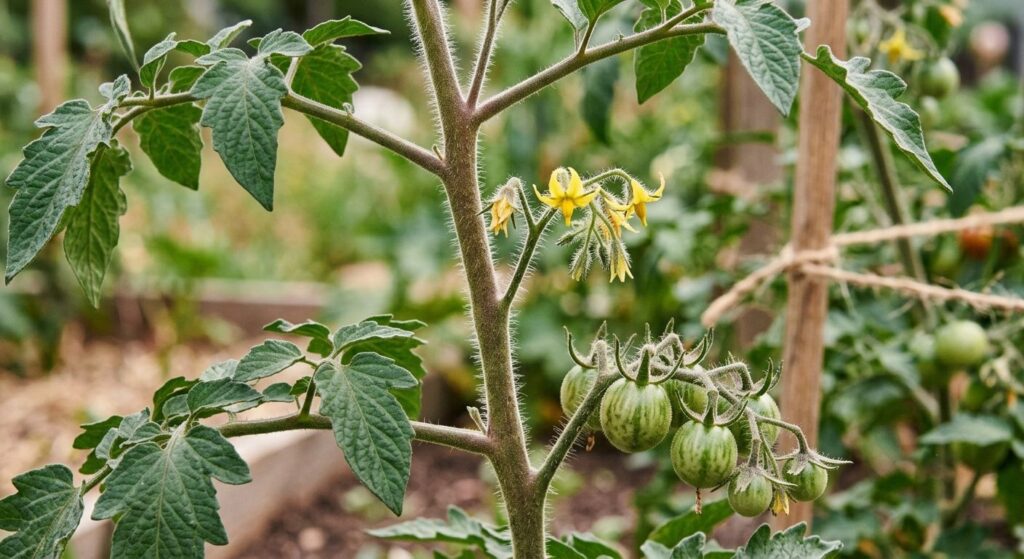
Don’t let the exotic looks fool you. This variety is every bit as straightforward as your favorite red slicer. Follow these steps and you’ll be harvesting fuzzy, striped beauties by the basketful.
1. Start Seeds Indoors
Pink Furry Boar needs a solid 75–80 days of warm weather to produce ripe fruit, so a head start is essential.
- When: Sow seeds indoors 6–8 weeks before your last expected spring frost.
- How: Plant seeds ¼ inch deep in a quality seed-starting mix.
- Warmth & Light: Keep the soil warm (around 70°F / 21°C) and place seedlings under a strong grow light for 14–16 hours a day. A sunny windowsill alone usually isn’t enough—stretchy, leggy seedlings will struggle later.
2. Harden Off & Transplant
Tomatoes love heat and sun, but they need a gentle introduction to the outdoors.
- Harden off: About a week before transplanting, gradually expose your seedlings to outdoor conditions. Start with an hour of morning sun and increase daily.
- When to plant: Wait until night temperatures stay reliably above 50°F (10°C).
- Plant deep: Dig a hole deep enough to bury the stem right up to the first set of true leaves. Tomatoes grow roots along the buried stem, creating a powerhouse root system that supports heavy fruiting and withstands dry spells.
- Spacing: Give each plant 18–36 inches of room to ensure good airflow and reduce disease risk.
3. Provide Sturdy Support
This is an indeterminate tomato, meaning the vine will keep growing taller all season long. Without support, those beautiful fuzzy fruits end up on the ground, inviting pests and rot.
Install a heavy-duty tomato cage, trellis, or stake at planting time, not later when the roots are established. Plan for a plant that can easily surpass 5–6 feet.
4. Watering and Feeding
Consistent care is the secret to crack-free, flavorful fruit.
- Watering: Water deeply and evenly at the base of the plant. The goal is consistent soil moisture—not swings between bone dry and waterlogged. Erratic watering causes fruit to split, and wet foliage invites fungal problems. A drip system or soaker hose works wonders.
- Soil: Rich, loamy soil amended with plenty of organic compost is ideal. Tomatoes are heavy feeders, so don’t skimp on the good stuff.
- Fertilizer: Feed with a balanced organic tomato fertilizer that includes calcium. Calcium is critical for preventing blossom end rot, that frustrating black spot on the bottom of the fruit.
5. Pruning for Productivity
Indeterminate tomatoes produce a lot of leafy growth. Strategic pruning directs the plant’s energy into ripening fruit rather than pumping out excess foliage.
- Remove suckers: These are the small shoots that sprout in the “V” between the main stem and a leaf branch. Pinch them off while they’re small.
- Train to 1–2 main stems: Keeping just one or two leaders results in larger, better-quality fruit and far easier harvesting. It also improves airflow through the plant, cutting down on disease.
Common Problems & Simple Fixes
Blossom End Rot
- Looks like: Dark, sunken spots on the bottom of the fruit.
- Cause: Calcium deficiency, often triggered by inconsistent watering.
- Fix: Water evenly, mulch to retain soil moisture, and ensure your fertilizer contains calcium.
Fruit Cracking or Splitting
- Cause: Heavy rain or overwatering after a dry spell causes the fruit to swell too fast.
- Fix: Keep soil moisture consistent. Harvest nearly ripe fruit before a big storm if possible.
Tomato Hornworms
- Looks like: Large green caterpillars with a horn on the rear; they can strip a plant overnight.
- Fix: Hand-pick them off and drop them in soapy water. Check plants daily during peak summer.
Aphids & Whiteflies
- Fix: A strong blast of water from the hose dislodges many. Insecticidal soap or neem oil handles persistent infestations—apply in the early morning or evening to protect pollinators.
Early Blight & Fungal Issues
- Prevention: Prune for airflow, water at soil level, and mulch around plants. Remove any spotted lower leaves promptly.
Harvesting & Culinary Uses
Pink Furry Boar tomatoes are ready to pick when their pinkish-red base color deepens and the golden stripes glow. They should feel slightly soft to the touch and detach easily with a gentle twist.
The fuzzy skin isn’t just a novelty—it changes the whole eating experience. That soft, matte mouthfeel makes these tomatoes exceptional for fresh, raw applications.
- Slicing & Salads: Thick slices reveal a stunning red interior framed by the striped, velvety skin. They turn a simple Caprese salad or tomato sandwich into edible art.
- Snacking: Pop a perfectly ripe fruit like a peach and enjoy it out of hand—fuzz and all.
- The Bragging-Rights Bowl: Honestly, one of the best uses is filling a bowl with these fuzzy beauties and leaving it on the kitchen counter. Guests will ask, “What on earth is that?!” every single time.
The flavor holds its own too. It’s sweet, complex, and juicy, with zero mealiness. If you enjoy rich, old-fashioned tomato taste, you’ll love this one.
Can You Save Seeds?
Yes! Pink Furry Boar is open-pollinated, so you can save seeds from your best fruits and grow the same fuzzy, striped wonders next year. Simply scoop the seeds from a fully ripe tomato, ferment them in a little water for a few days, rinse, dry, and store. It’s a fun way to keep the variety going and share with fellow gardeners.
Frequently Asked Questions
Is Pink Furry Boar a determinate or indeterminate tomato?
Indeterminate. The vines keep growing and producing fruit all season until frost kills the plant. You’ll need sturdy support.
How long does it take to get fruit?
About 75–80 days from transplanting healthy seedlings into the garden.
Can I grow it in a container?
Absolutely. Choose a large container (at least 10–15 gallons) with excellent drainage. Use a high-quality potting mix and stay on top of watering—containers dry out faster. A sturdy cage is still a must.
Does the fuzzy skin affect the taste?
The fuzz is very fine and soft, so it doesn’t taste “hairy.” It mostly adds a unique velvety texture that makes eating fresh slices a delight. Some people even say it intensifies the aroma.
Where can I find seeds?
Check Wild Boar Farms’ website or specialty seed retailers that carry artisanal heirloom and open-pollinated tomato varieties.
Final Thoughts: Why You Need This Tomato in Your Garden
The Pink Furry Boar tomato is proof that vegetable gardening can be wildly creative. It’s not just another red slicer—it’s a fuzzy, striped conversation piece that tastes just as good as it looks.
It grows with the same sturdy vigor as any reliable indeterminate tomato, asking only for full sun, consistent water, a bit of pruning, and a strong support system. In return, you get months of heavy harvests and one of the most unique edible displays you’ll ever grow.
Whether you’re a tomato connoisseur hunting for your next obsession or a home gardener wanting to plant something that makes people smile, the Pink Furry Boar deserves a spot in your patch.
Leave a Reply