
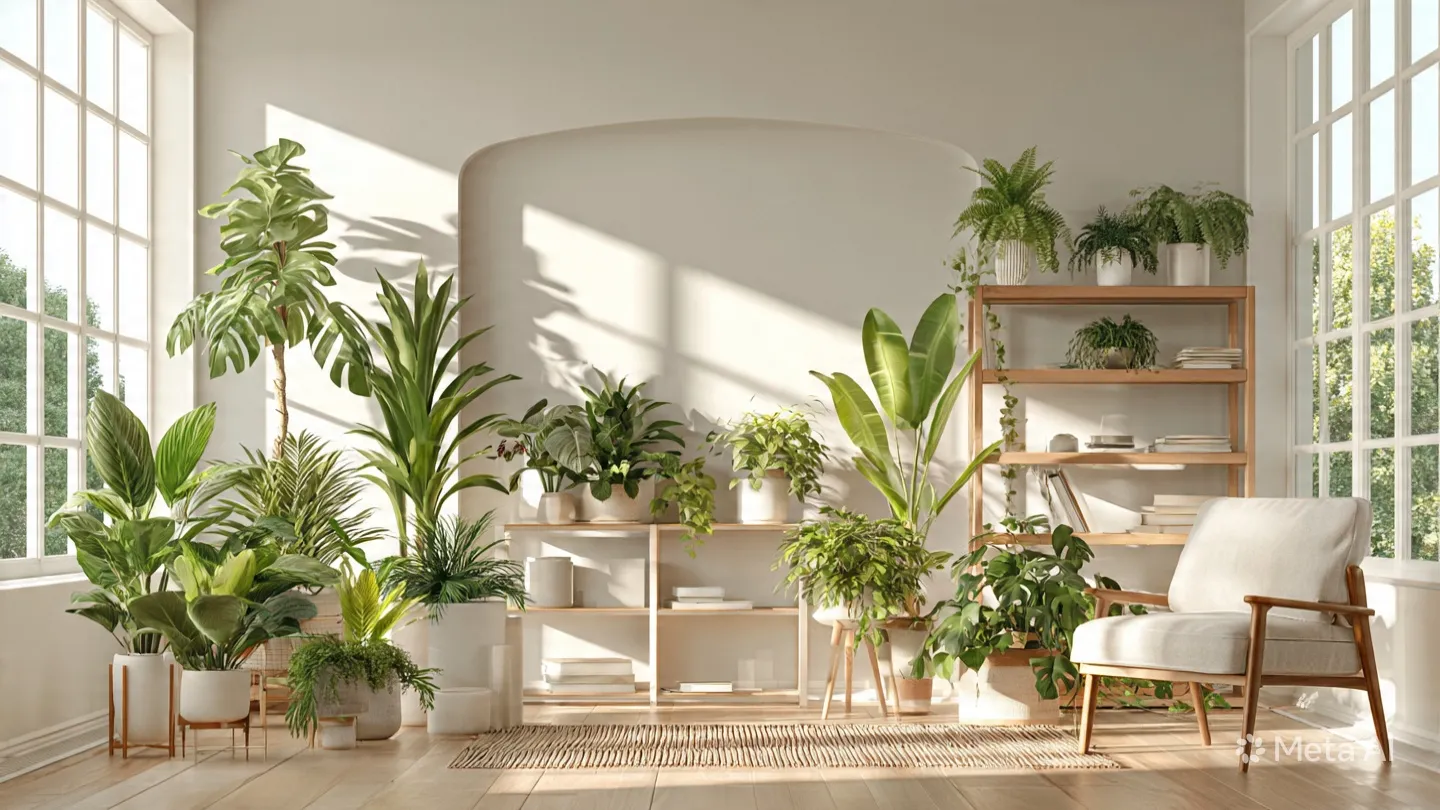
Adding lush greenery to your home feels like an instant upgrade. But if you or someone in your family struggles with sneezing, itchy eyes, or a runny nose indoors, you may start to wonder: are house plants bad for allergies? It’s a fair question, and the answer isn’t a simple yes or no. The plants themselves are rarely the enemy—but the way we care for them can inadvertently invite allergens into our living spaces.
In this guide, we’ll separate fact from fiction, identify the real triggers hiding in your plant collection, and share practical steps to keep your indoor garden beautiful and breathable.
The Real Relationship Between Houseplants and Allergies
Most foliage houseplants are not heavy pollen producers. Unlike wind-pollinated outdoor trees and grasses that fill the air with microscopic particles, the typical indoor plant relies on insects or self-pollination and releases minimal airborne pollen. So why do some people start sniffling after bringing home a new monstera or fern?
The culprit is almost always an environmental factor linked to plant care, not the plant’s biology. Understanding these hidden triggers is the key to enjoying indoor gardening without discomfort.
The Hidden Allergy Triggers in Your Plant Pots
If your houseplants seem to be making your allergies worse, one of the following is likely to blame.
1. Mold Spores in Damp Soil
Continuously wet potting mix creates a perfect breeding ground for mold. These fungi release microscopic spores into the air, which can trigger allergic rhinitis and asthma symptoms just as effectively as outdoor molds. Overwatering is the number one reason houseplants become an allergy problem.
2. Dust Accumulation on Leaves
Broad, glossy leaves are excellent dust traps. That thin layer of household dust contains a cocktail of potential allergens: pet dander, textile fibers, pollen brought in from outside, and dust mite debris. When you brush against the plant or simply move it, those particles can become airborne.
3. Pollen from Flowering Indoor Plants
While rare, some houseplants do flower indoors and can produce enough pollen to bother highly sensitive individuals. Plants like peace lilies and certain succulents that bloom may cause a reaction if you have a specific pollen allergy.
4. Plant Sap and Contact Irritants
A few popular houseplants contain compounds that can irritate the skin upon contact. While this is technically dermatitis rather than a respiratory allergy, it’s often confused with airborne allergy symptoms. The milky sap of a weeping fig (Ficus benjamina), for example, contains latex-like proteins that some people react to.
5. Excessive Humidity and Poor Air Circulation
Grouping many plants together without adequate airflow can raise the relative humidity around them. While most tropical plants appreciate the moisture, a stagnant, overly humid microclimate encourages mold growth on soil, pots, and even nearby walls.
Common Symptoms of Plant-Related Allergies
Symptoms triggered by indoor plant conditions may include:
- Persistent sneezing indoors
- Runny or congested nose
- Itchy, watery, or red eyes
- Dry cough or throat irritation
- Skin rash after touching certain plants
- Worsening of asthma symptoms
If your symptoms improve when you leave the room with plants or clear up entirely when you’re away from home, it’s worth investigating your plant care routine.
Best Low-Allergen Houseplants for Sensitive Individuals
When choosing plants for an allergy-conscious home, prioritize those that:
- Rarely flower indoors
- Have large, easy-to-clean leaves
- Tolerate drying out between waterings (reducing mold risk)
Top picks include:
| Plant | Why It’s a Good Choice |
|---|---|
| Snake Plant | Slow-growing, minimal watering needs, no airborne pollen |
| ZZ Plant | Extremely drought-tolerant, glossy leaves easy to wipe clean |
| Spider Plant | Low pollen production, excellent air circulator in hanging baskets |
| Cast Iron Plant | Thrives on neglect, doesn’t need constant moist soil |
| Parlor Palm | Non-flowering indoors, adds humidity without mold issues |
| Peperomia | Compact, semi-succulent leaves, rare bloomer |
| Bamboo Palm | Filters indoor air, produces no significant pollen |
These foliage-focused plants offer style and greenery without adding to your allergy burden.
Houseplants That May Aggravate Symptoms
No plant is universally allergenic, but some are more likely to cause trouble than others.
- Peace Lily – Can release pollen when flowering; also a moderate dust collector.
- English Ivy – May harbor mold in its dense foliage and can cause skin irritation when handled.
- Weeping Fig – Sap can trigger reactions in latex-allergic individuals; drops tiny leaf debris.
- Chrysanthemums – Known for producing potent airborne pollen when in bloom.
- Ferns – Many varieties thrive on constant moisture, increasing the mold risk.
If you love any of these, you can still keep them—just pay extra attention to care habits like leaf cleaning and careful watering.
Practical Tips for an Allergy-Friendly Indoor Garden
You don’t have to choose between plants and clear sinuses. A few simple adjustments make all the difference.
Water Wisely
Let the top inch or two of soil dry out before watering again. Always use pots with drainage holes, and empty the saucer after the water drains through. Consider bottom-watering to keep the soil surface drier.
Clean Leaves Monthly
Wipe broad leaves with a damp microfiber cloth. For smaller or delicate foliage, give them a gentle shower in the sink or use a soft brush. This removes dust and any mold spores that might be trying to settle.
Improve Air Circulation
Don’t pack plants too tightly together. A small fan on a low setting can keep air moving and prevent humidity pockets, especially in rooms with many plants.
Use a Sterile, High-Quality Potting Mix
Fresh, pasteurized potting soil contains far fewer fungal spores than garden soil. Adding a layer of horticultural charcoal or perlite improves drainage and discourages mold.
Remove Dead Leaves Promptly
Decaying plant material is a mold magnet. Snip off yellowing or dead leaves as soon as you notice them and discard them outside the living area.
Top Dress with Gravel or Sand
A thin layer of fine gravel, sand, or decorative pebbles on the soil surface acts as a barrier, making it harder for mold spores to become airborne and giving pots a tidy finish.
Consider an Air Purifier
Running a HEPA air purifier in the room with your plants helps capture any stray mold spores, dust, or pollen, adding a second layer of defense.
Do Houseplants Actually Improve Indoor Air Quality?
You’ve probably heard that certain plants can purify the air. Early NASA studies did show that plants could absorb volatile organic compounds (VOCs) in sealed chambers. However, in a typical home with normal ventilation, the effect of a few potted plants on overall air quality is extremely modest. You’d need a dense indoor jungle to match the air exchange provided by an open window or a good HVAC filter.
The true benefit of houseplants is less about measurable toxin removal and more about the psychological lift they provide—reduced stress, improved mood, and a connection to nature. For allergy sufferers, that benefit is still worth pursuing, provided the plants are not actively making symptoms worse.
Are Succulents a Safer Bet?
In many cases, yes. Succulents and cacti are practically tailor-made for allergy-sensitive homes. They require infrequent watering, thrive in fast-draining gritty soil, and rarely produce airborne pollen. Mold struggles to gain a foothold in such dry conditions.
Great options include:
- Haworthia
- Echeveria
- Jade plant
- Burro’s tail
- Aloe vera
Their compact size and sculptural shapes also make them easy to keep dust-free with an occasional gentle puff of air or a soft brush.
Frequently Asked Questions
Can houseplants cause hay fever indoors?
True hay fever is a reaction to airborne pollen from outdoor plants. Most leafy houseplants don’t produce significant pollen. However, mold spores or dust from plants can cause similar symptoms, mimicking hay fever.
Is it safe to have plants in the bedroom if I have allergies?
Yes, as long as you keep the soil from staying damp and wipe leaves regularly. Choose low-allergen varieties like snake plant or ZZ plant for peace of mind.
Why do I sneeze after repotting my plants?
Disturbing old soil can release mold spores or fine dust into the air. Wear a mask while repotting and work in a well-ventilated area.
Are artificial plants a better alternative for severe allergy sufferers?
They eliminate pollen and mold concerns entirely, but they still collect dust. If you go this route, clean them as diligently as you would real plants.
Can potting soil make me sick?
It can trigger mold allergies if it stays wet. In very rare cases, certain soil bacteria can cause respiratory irritation, but proper hygiene (washing hands, avoiding inhaling dust) reduces any risk to near zero.
Final Thoughts
Are house plants bad for allergies? For the vast majority of people, the answer is a reassuring no. The plants themselves are rarely the source of the problem. Instead, it’s the mold, dust, and occasional pollen that come along for the ride when care routines slip. By choosing low-allergen varieties and maintaining a clean, well-ventilated environment, you can fill your home with vibrant greenery and breathe easy at the same time.
Leave a Reply